
Bone grafting in Nashua, NH
A dental bone graft rebuilds jawbone that has been lost, creating a solid foundation for dental implants. It also helps preserve the bone after an extraction so future treatment stays simpler.
Why jawbone is lost
The jawbone stays strong because tooth roots stimulate it when you chew. After a tooth is lost or removed, that stimulation stops and the bone gradually shrinks, with much of the change in the first year. Gum disease, infection, injury, and long-term denture wear can also reduce bone. Without enough bone in height and width, an implant can't be placed securely. Bone loss can also change the shape of the face and make dentures fit poorly.
Book an appointment
Types of bone grafts
Socket preservation places graft material into a tooth socket right after extraction to limit shrinkage. Ridge augmentation rebuilds the width or height of the jaw where bone has already been lost. A sinus lift adds bone to the upper back jaw beneath the sinus to make room for implants. Graft materials may come from your own body, from a donor, from an animal source, or from synthetic materials. A protective membrane is often placed over the graft to guide healing.
Grounded in bone biology
Bone grafting is about more than filling a space. The goal is to create living, healthy bone. Dr. Balani holds a PhD in bone biology from the University of Bern, and his research at Harvard Medical School and Massachusetts General Hospital has been published in journals including the Journal of Clinical Investigation and Science Translational Medicine. That background informs how he evaluates your bone, chooses materials, and times implant placement.
Book an appointment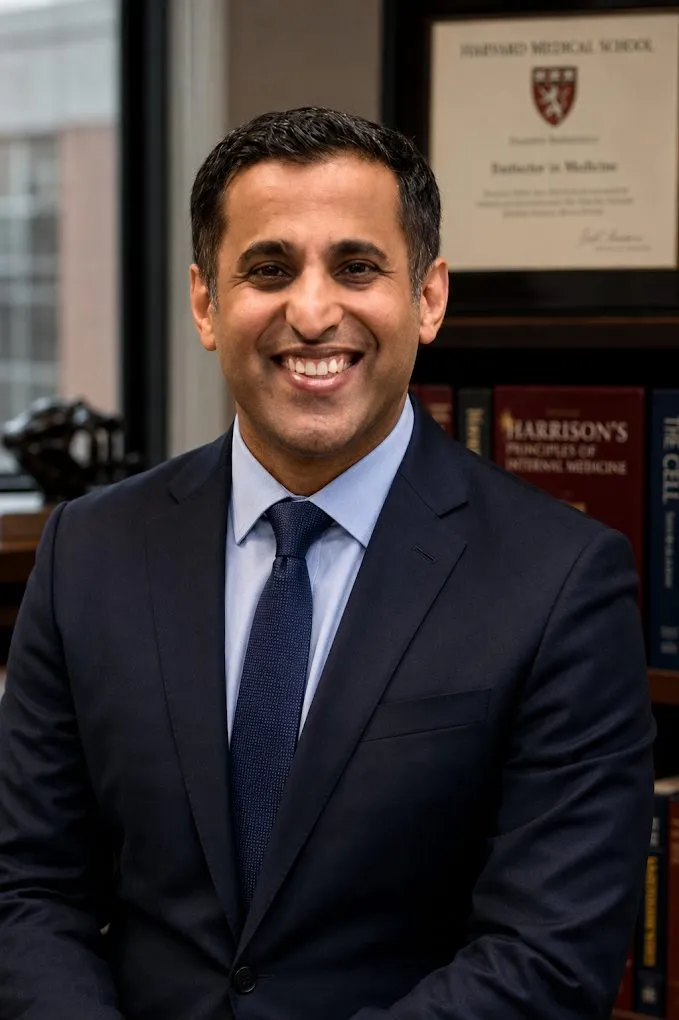
Still have questions?
Our front office is happy to help before your visit, from scheduling to payment.
115 Daniel Webster Hwy, Nashua. Get directions

Build a strong foundation for your implant.
Call (603) 484-9595 to schedule a consultation.
115 Daniel Webster Hwy, Nashua, NH 03060
Request an appointment
Send your details and our front desk will call you to confirm a time.